



 Facebook
 X
X LinkdIn
 Copy Link

“What fresh hell can this be?” Dorothy Parker would ask if the doorbell rang. Now fresh hell has been freshly added to the Oxford English Dictionary. But was Parker the onlie begetter of the phrase?
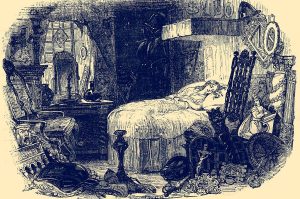
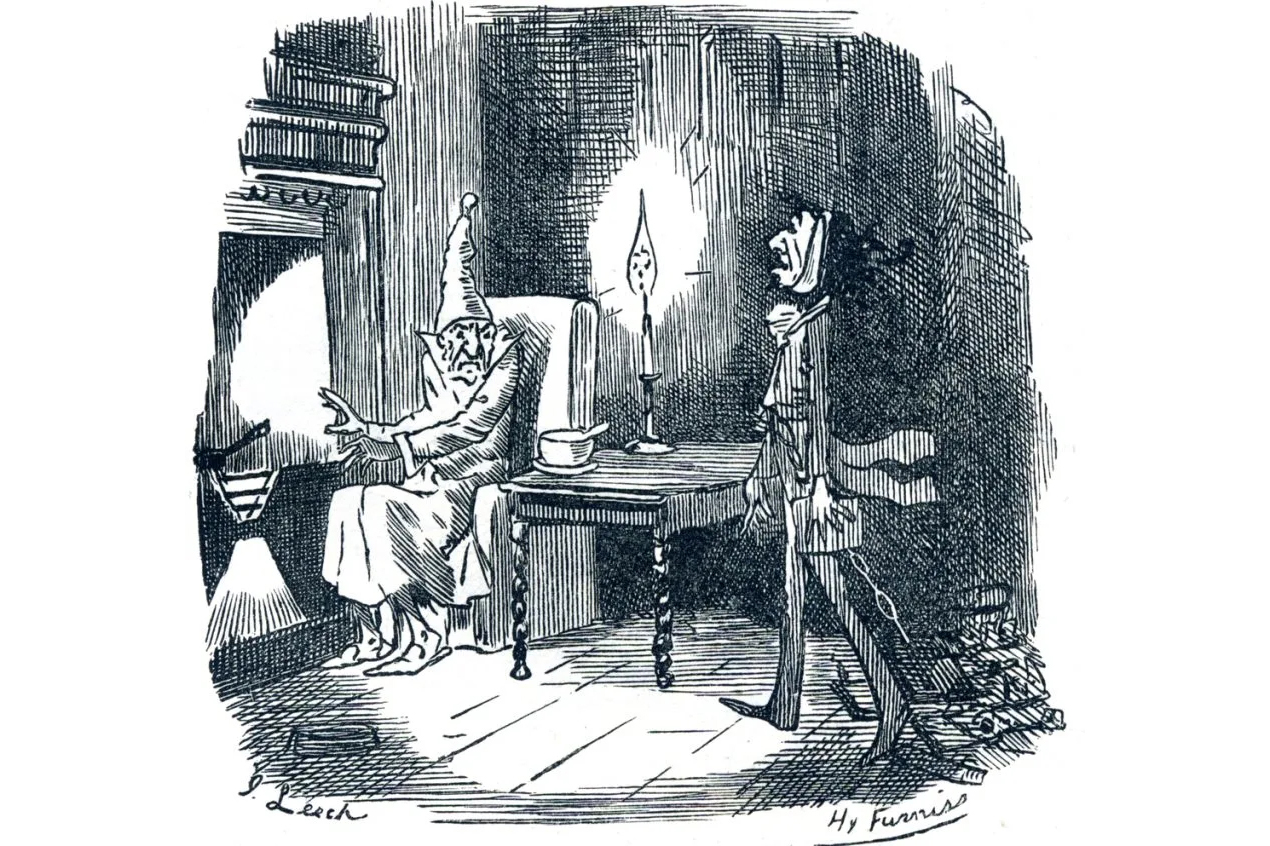
The hunt has been on to find earlier examples. The OED quotes a ghostly story within The Pickwick Papers (1837) for a parallel: “He started on the entrance of the stranger, and rose feebly to his feet. ‘What now, what now?’ said the old man – “What fresh misery is this? What do you want here?’”
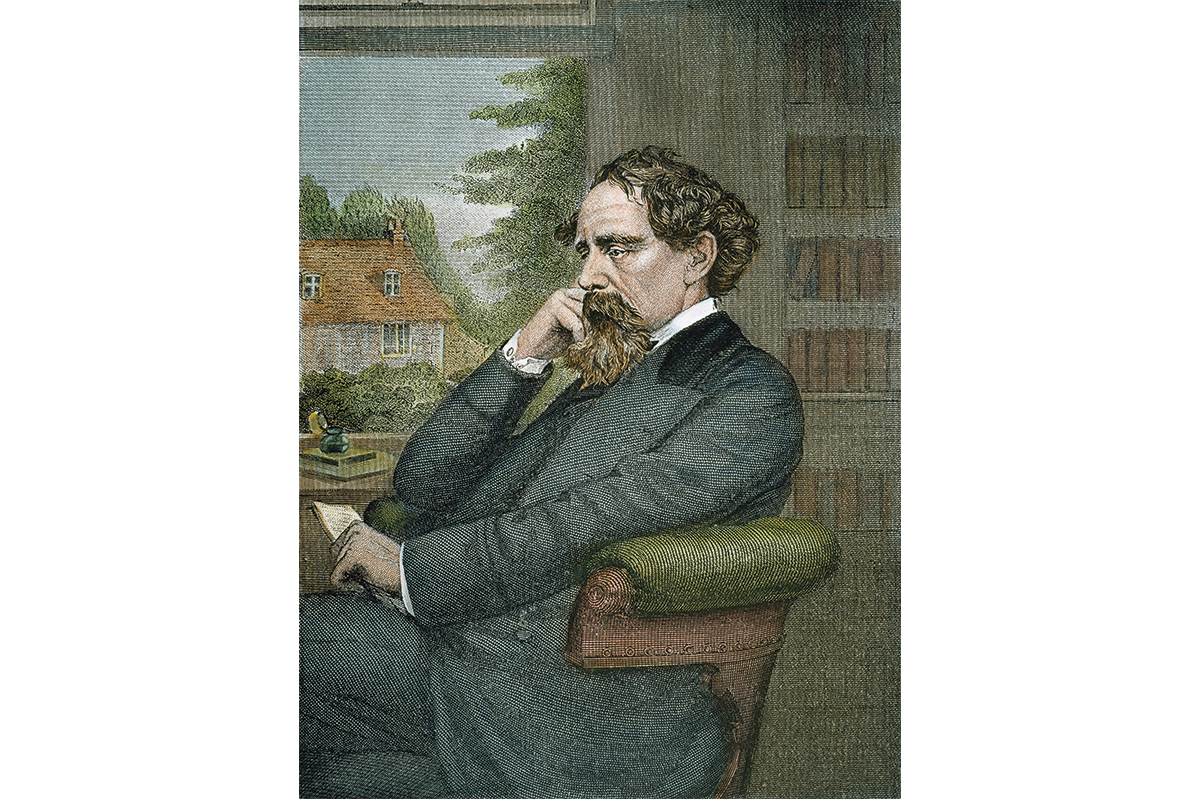
I’ve been doing what counts, for me, as research. In The Pickwick Papers, Charles Dickens uses fresh twice as frequently as he does in Great Expectations 24 years later. In Pickwick, fresh is used three to one in the sense of “new” – a fresh bottle of wine or a fresh pipe of tobacco. To use new would have been less unambiguous, for the wine was not new and nor was the pipe; it was another helping of the same thing.
In Great Expectations, fresh is used predominantly in the “fresh air” sense, with the exception of fresh bandages and with the terror fresh upon me (where it is an adverb). But the old man in Pickwick didn’t think of fresh misery as a set phrase. Nor did the author of a sentence in an American newspaper in 1873 when he wrote: “Such a course in Rapides will simply organize a fresh hell here.”
The dictionary rightly expresses caution when considering early uses of gold star, for example, in the sense of a thing “awarded as a prize or in recognition of an achievement, especially good work or behavior by a young schoolchild.” This it finds from 1886, but it discounts a citation from 1661, “a snowy Mantle which gold Stars did deck,” because that does not represent a fixed collocation.
I’m not convinced that the OED needed a new entry for fresh hell. It may most often be used now as an echo of Parker, but a dictionary of English is not a dictionary of quotations.
This article was originally published in The Spectator’s December 8, 2025 World edition.















Leave a Reply