



 Facebook
 X
X LinkdIn
 Copy Link
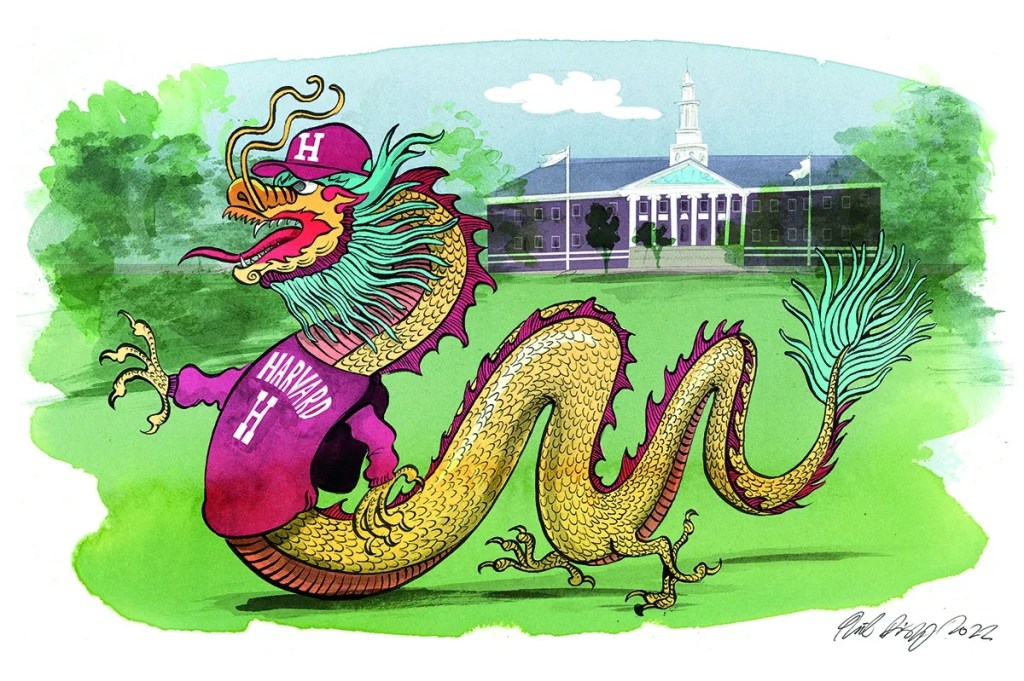
It goes by an innocuous name – “Integrated Joint Operations Platform” (IJOP) – but it’s one of the most sinister components of China’s surveillance state, managing what has been described as a genocide against the Uighurs. The IJOP combines multiple systems of repression – location, messages, contacts, social media and other data from phones, together with information from checkpoints, cameras and biometric records. It then flags “suspicious” individuals for detention and forced labor. Now leading US universities have been accused of extensive collaboration with Chinese laboratories which develop technology that may be deployed or adapted for use in this system.
The accusations come in a report from Strategy Risks, a geopolitical risk consultancy, in partnership with the Human Rights Foundation, which says that two state-backed Chinese artificial intelligence labs have co-authored some 3,000 papers with western researchers since 2020, often aided by funding from the US government. Among the advanced surveillance techniques developed by these labs are multi-object tracking, gait recognition and infrared detection.
The Zhejiang Lab and the Shanghai Artificial Intelligence Research Institute (SAIRI) are identified as key parts of China’s defense and security ecosystem. The former is a state-funded center for computing and tracking technologies. It works with the defense conglomerate China Electronics Technology Group Corporation (CETC), which built the IJOP and has been sanctioned by the US government. SAIRI is headed by Lu Jun, a CETC scientist who has deepened the institute’s links with the security sector. Its output is geared towards “technologies that can be directly integrated into policing and monitoring infrastructures,” says the report.
The authors trawled through tens of thousands of publications, grant records and institutional documents from 2020 to 2025. They found that Zhejiang has collaborated with Harvard on advanced optics and computer vision; with Princeton on tracking technology; and with MIT on technology fundamental to imaging and sensing systems that can be deployed in military reconnaissance, satellite surveillance and biometric monitoring. The MIT research was even supported by DARPA, a research agency of the US Department of Defense.
SAIRI has worked with MIT, Stanford and UC Berkeley on a system called QDTrack, which is applicable to video surveillance systems. Stanford researchers have also worked with SAIRI on AI models for medical imaging and genomic analysis. MIT, Johns Hopkins and the UC San Diego, have cooperated with it on AlphaTracker, described as a tool for animal behavior analysis, but potentially of use for monitoring individuals in crowded or obscured settings. Many of these projects have been supported by US public funding, including from the National Science Foundation, which has 106 acknowledgments in papers studied by Strategy Risks. All in all, the authors say, the report reveals the “shocking normalization of problematic behavior.”
The accusations come at a bad time for elite US universities, which have faced intense scrutiny from the Trump administration. A bill working its way through Congress would essentially prohibit researchers with links to China or other countries deemed hostile from receiving federal funding. The SAFE Research Act was passed by the House of Representatives last month, with final passage expected before the end of the year. The aim is to “stop federal [science] funding from going to universities or researchers that collaborate with China’s military and intelligence services,” says John Moolenaar, who chairs the House Select Committee on the Chinese Communist party.
Prominent Stanford academics are leading appeals to Congress to scrap the Act. “We must attract and retain the best talents from across the world, including from China. Our ability to do this, and foster responsible, beneficial international collaborations is important now and for the foreseeable future,” according to a letter from more than 700 academics. Steven Kivelson, a Stanford physics professor who organized the letter, told Science magazine that his research on quantum states of matter depended on Chinese expertise and had no military applications in the near future, “but the timescale is so long that it’s sort of ludicrous to think it needs to be kept secret.”
Others have argued that the SAFE ban is too broadly drawn and an affront to academic trust and freedom, and that enough is already being done to prevent adversaries from stealing American intellectual property. There have been accusations that the latest moves represent a “new McCarthyism.”
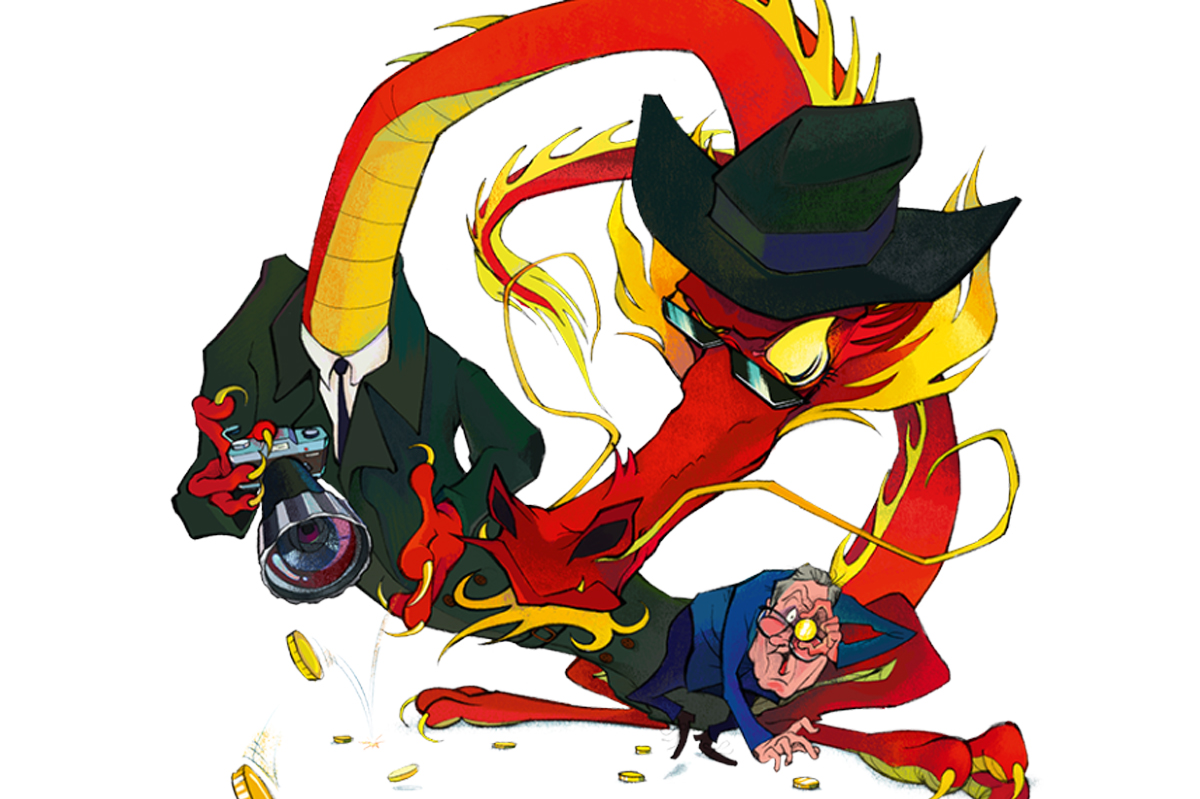
But the Strategy Risks report is only the latest to catalog the links between US academia and the Chinese security state. Strider Technologies, a private intelligence group, recently identified 100,000 instances of collaboration between American institutions and entities connected to the People’s Liberation Army. This research, which included helping Beijing develop technologies with military applications, such as anti-jamming communications and hypersonic vehicles, involved 500 US organizations, among them leading universities and labs.
Although the US remains China’s biggest research partner, two competing science and innovation systems are now emerging. The appeals by American academics to a liberal vision of openness and purity sit uncomfortably beside a comprehensive and very effective Chinese system built over many years for spotting foreign technologies, acquiring them by all available means (including academic tie-ups) and turning them into weapons and/or tools for the security state.
The Chinese system has long exploited the greed and naiveté of western academia – and the fact that China is now ahead in key areas of innovation will only inflame the anger of security hawks who have the upper hand in the congressional debate. Research does not exist in a political and strategic vacuum, much as western academics wish it did, and when ideals of open research clash with the brutal realities of the new geopolitics, the latter will win out.















Leave a Reply