



 Facebook
 X
X LinkdIn
 Copy Link
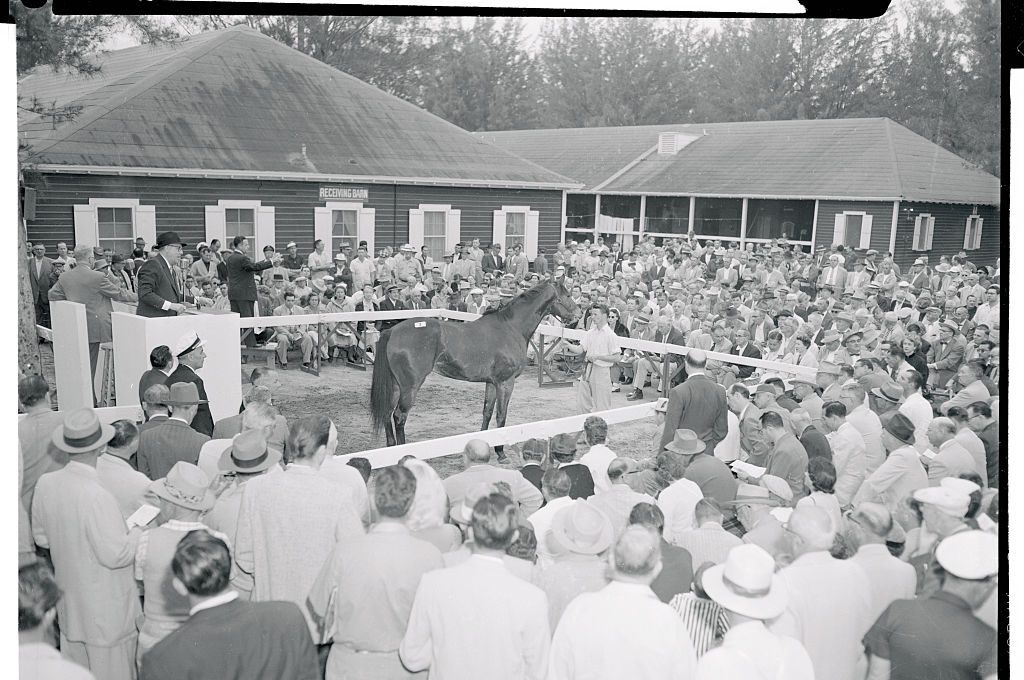
I was never a “real” rider. My parents were serious riders. My sister was too – she showed at national level. But by the time I came along, the youngest child by 20 years, no one had the energy for proper lessons, let alone the time it takes to seriously compete. Yet somehow, I’m the one who wound up with the family horse farm in New York’s Hudson Valley.
My family’s involvement with horses goes back almost 80 years. My dad, a Bronx boy raised on Bonanza and Lone Ranger, grew up riding on summer vacation at a Borscht Belt resort. His love of horses shifted him from Jewish cowboy to showjumper and he eventually took over the equestrian center he learned to ride at. For more than 30 years, he bought, sold, boarded and trained horses in every discipline. He even met my mom when she came upstate to buy a horse; naturally, he ripped her off.
The Borscht Belt is long dead and the business shifted and drastically downsized in the 2000s. It was a tough move. As a teenager, I remember rushing to unload dozens of horses as the resort abruptly closed, and we relocated to our 15-horse farm seemingly overnight. Business waned, my parents lost steam, and that would have been that for the family farm – if I hadn’t partied my way through college. I graduated with a low GPA and no job options. I did, however, have a little money saved up and some friends in Belgium with a small farm like ours.
Belgian warmbloods come in a few variations, but all share similar characteristics. Warmbloods are a selectively bred mix between cold- and hot-blooded horses, the former quiet work horses like Clydesdales, the latter spirited breeds like Thoroughbreds. The mix of explosive speed and strength makes them ideal candidates for show jumping at the highest level. And while a green and unpedigreed foal may be quite common in the Belgian countryside, they’re highly sought-after in the US.
If you think going through customs is a pain in the ass, just imagine what it’s like for a horse. International transport requires significant documentation, veterinary work and mandatory mosquito-free quarantine.
Covid, of course, shut most of this down. The political world became my new day job and the business went back to its roots as a small, hands-off boarding operation, with some former clients keeping their horses with me full time. It pays the bills.
More importantly, however, it keeps me rooted in community in a way that most DC transplants don’t understand. Owning any small business keeps one connected to the “real world” – the concerns that politicos discuss, debate and regulate, but often have little connection to or stake in.
But having a rural horse farm that caters to largely upscale (but not ultra-wealthy) clients puts me in a unique position.
On the one hand, I’m embedded in working-class America. The “locals” – staff, neighbors and friends upstate – are at the forefront of a new coalition that’s been the backbone of America First for nearly a decade. On the other hand, my clients – often New Yorkers with successful businesses – root me in a world where the bulk of American wealth still lies. It’s not hedge-fund managers or tech overlords who monopolize American social tastes and spending, but those with unglamorous regional businesses.
For me, it’s easy to flip between the blue-collar worker and the country-home crowd and relate to either. Despite their stark differences, their fates are intrinsically linked.
When the left complains about “white privilege,” it suggests a dismantling of these two distinct US social groups: a working-class, dependent and rudderless, and the destruction of bourgeois wealth reserves in order to pay for it. It’s not so much about redistributing wealth but punishing those who resist this new cultural order. But without these very independent, very American classes, America itself ceases to be.
Many in my generation agree with this sentiment but still have no desire to resist it. It’s not just that they don’t want to go to trade school; no matter the industry, they don’t want anything to do with their parents’ businesses. But is a rootless, rent-poor, corporate life in a luxury Manhattan studio really all that much better? It’s pointless to feel that you’re above your childhood circumstances. While I grew up alienated from the family business, I applied the basic knowledge and familiarity of my upbringing with a little effort and did well. I learned as I went and carved my own path. The great thing about America is that you can, too. You can take over your parents’ farm – or local law firm – and make it your own: reimagine it, tailor it and build a life very much different, even better, than your parents’. And that’s the real spirit of life in the country.
This article was originally published in The Spectator’s December 8, 2025 World edition.












Leave a Reply