



 Facebook
 X
X LinkdIn
 Copy Link
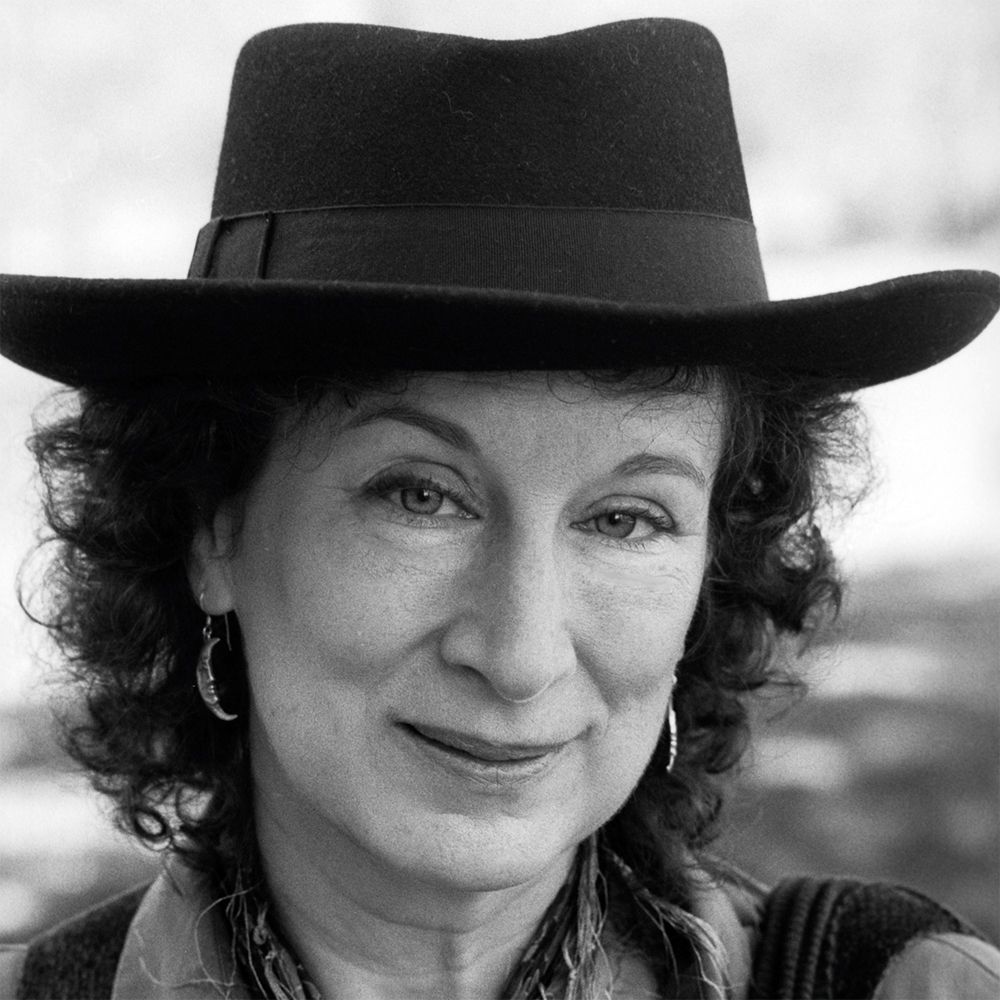
The problem with the contemporary literary life, most of its observers usually agree, is that nobody at large in it does anything much except write. A century ago, your specimen male novelist could be found fighting in wars or traveling to places from which the reportage he brought back had genuine novelty. These days, alas, our man just sits at a desk and every so often looks out of the window at the teeming world beyond.
The trajectory of the 21st-century novelist is as familiar – and as unavoidable – as a portrait of Taylor Swift. You grow up, you show an aptitude for literature, you start writing books and, unless something very unusual happens, you go on writing them. A rackety private life may add spice to this blameless professionalism and put the gossip-hounds on your track, but beyond that there is often nothing very much to say.
Margaret Atwood manages to sidestep this drawback by a) having had a childhood that most creative writers would give their arm for; b) by having being a woman at a time when women had serious things to fight for (this is not to suggest that they don’t have serious things to fight for now); and c) by being born in Nova Scotia. In fact, that Canadian passport is a godsend for, in terms of what Atwood wanted to do with her life, it provided a set of obstacles whose surmounting offers quite as much of a story as her grandparents’ tales of the Great Halifax explosion of 1917 or her parents’ honeymoon, spent canoeing down the Saint John River in New Brunswick.
It would be a mistake to claim that Atwood’s lengthy and much-anticipated autobiography is an exercise in tough-babydom, with no quarter given or received, for the tone is consistently oblique. The reader is invited to take a ringside seat while various old scores are settled – these include the college boys who spiked her drinks, the mean-minded school chums who would reappear in Cat’s Eye (1988) and Margaret Wente of the Globe and Mail – but many of the blows are glancing and she takes most of the barriers thrown across her career path in her stride.
In the end, though, the self-deprecation and the constant claims of ingenuousness can only take you so far. For what really lies at the heart of Book of Lives is a sense of steely self-possession and the thought of a woman with whom you – and “you” might be a domineering boyfriend, a college lecturer or an equivocating publisher – messed at your peril.
No doubt much of this has to do with the question of her upbringing. Atwood – she was “Peggy” in those days, “Peygie” to her South Carolinian college roommate and “Peggy Nature” to the children in the program she ran at Camp White Pine – was the daughter of Carl, a self-reliant Canadian entomologist whose appointments guaranteed a peripatetic childhood spent in log cabins and beach houses or skidding across frozen lakes.
Significantly, most of the first batch of photographs included here have Peggy engaged in thoroughly practical tasks, helping her dad to fill the wood box or bang nails into the roof. I spent quite a long time over the early chapters trying to establish a literary context for this lost 1940s world – Atwood was born November 18, 1939 – discarding and rejecting Jack London (although there are certainly wolves howling in the forests) before realizing that the milieu it most reminded me of was the Little House books of Laura Ingalls Wilder.
Naturally, there are substantial differences between the Ingalls family’s travails in the pioneer-era Midwest and the Atwoods heading for their destination at “the northern end of a large, cold, and convoluted lake,” but the animating spirit looks exactly the same and Carl, who at each site they visit spends his spare time building his own house, is Pa Ingalls’s spiritual heir.
Margaret, Atwood’s one-time dietician mother, has the same resourcefulness, prefers the woods, no electricity and no running water because there is “less housework” – and sees off a bear that has come marauding down the path by jabbing it with a broom. When it freezes up, they retire to an apartment block in Ottawa for the winter and Peggy and her brother Harold are taken by their mother to throw tin cans at a portrait of Hitler. Atwood has a third sibling, Ruth, who arrives much later.
The singularity of these early chapters functions in two ways. Not only do they work on their own terms, shifting a bygone landscape under a lens in the way that Carl Atwood might bring one of his specimens to the microscope, they also cast a paralyzing light on some of the difficulties involved in writing the modern autobiography.
And here we return to the second of the sidesteps mentioned above. Another problem of literary life is recasting it in terms of the “struggle” that so many memoirists imagine themselves to have been engaged in since nanny first snaffled that teddy bear from the pram or Pop blew the college tuition fees at the Sarasota race track. Atwood scores high here, not because fate or poverty blocked the road ahead of her, but because the literary citadels she aimed to storm were so far from the world she inhabited.
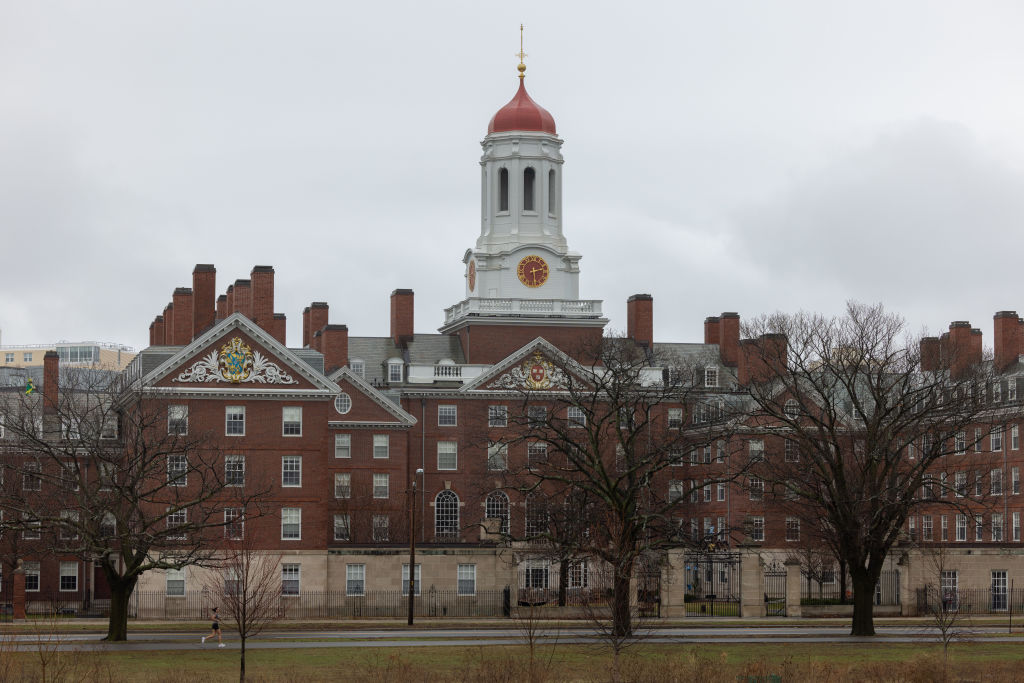
Basically, when Atwood began her writing career – she was originally known as a poet and didn’t publish her first novel until 1969 – there was hardly such a thing as a Canadian literary scene. A few British publishers had satellite branches, but to make a living – or even a splash – you had to go to England or America, both of which she hung out in during her formative years. Happily studying in Canada was a different thing, and Atwood’s tutors on the way to her Harvard PhD included Northrop Frye and Jerome Hamilton Buckley, author of The Victorian Temper.
There was an early marriage to a fellow grad student named Jim Polk, the union marked down in typical Atwood style as “one of the odder things to happen to both of us,” and a great many formative experiences that were later transferred to fiction. Harvard was understandably cross about being used as The Handmaid’s Tale’s locale; her colleagues at the marketing agency that provided the backdrop to The Edible Woman (1969) were more understanding.
What does Atwood make of herself in these years? Again, modest down-playing is the order of the day. Of the reaction of her Harvard contemporaries, she remarks that, “I must barely have registered. They would have seen an unglamorous, furtive little person in horn-rimmed spectacles, not stylishly dressed, hair done in a bubble cut created with big bristle rollers and stuck unsuccessfully into place with Dippity-Do, creeping about and making tappy sounds in her room.” One of the marketing agency people reckons “that new girl doesn’t look too bright.” A potential publisher, reading an early collection of stories, thinks she is “incredibly good on detail and incredibly good on human sensibilities,” the only problem being that “her people seem to be semi-mad… but that is undoubtedly the way Peggy is herself and that’s probably what makes her a great writer.”
Quite a lot of Book of Lives works from this template: Atwood filing a judgment, sometimes her own, sometimes someone else’s, and not exactly undermining it but providing the neutral observer with materials that may or may not call it into question. All this is an exhilarating experience which keeps the reader going through that second stretch – difficult even for writers without the advantages of Atwood’s childhood, sex or nationality to negotiate – when the fame kicks in and you spend your time either getting on with your writing or going to festivals. The death of Atwood’s adored second husband, the writer Graeme Gibson, actually takes place during a promotional tour for The Testaments (2019) and she prints a terrific valedictory poem about “what he was like as he diminished, about what it would be like without him”:
Mr. Lionheart is away today.
He comes and goes,
He flickers on and off.
You might have heard a roar,
You might not.
Still, amid the accounts of lovely lunches and equally lovely publicists hard at work on her behalf, the sly humor keeps up. Her summary of the reviews of The Handmaid’s Tale by country, for example, runs “England: Jolly good yarn. (They’d had their religious civil wars in the 17th century and had survived the puritanical and autocratic Oliver Cromwell and weren’t intending to repeat the experience.) Canada: Nervous, as usual. ‘Could it happen here?’ The United States: On the one hand ‘Don’t be silly, we’re the world’s leading liberal democracy, it could never happen here.’ On the other hand, ‘How long have we got?’” As for a final judgment on this riproaring, autocracy-defying ascent to the top of world literature’s greasy pole, I’d say that on this evidence it’s the furtive little people in horn-rimmed spectacles creeping about and making tappy sounds in their rooms that you need to watch.
This article was originally published in The Spectator’s December 8, 2025 World edition.











Leave a Reply